The Draught Dog: A Scarf-Saving Sausage Pooch for Chilly Hallways
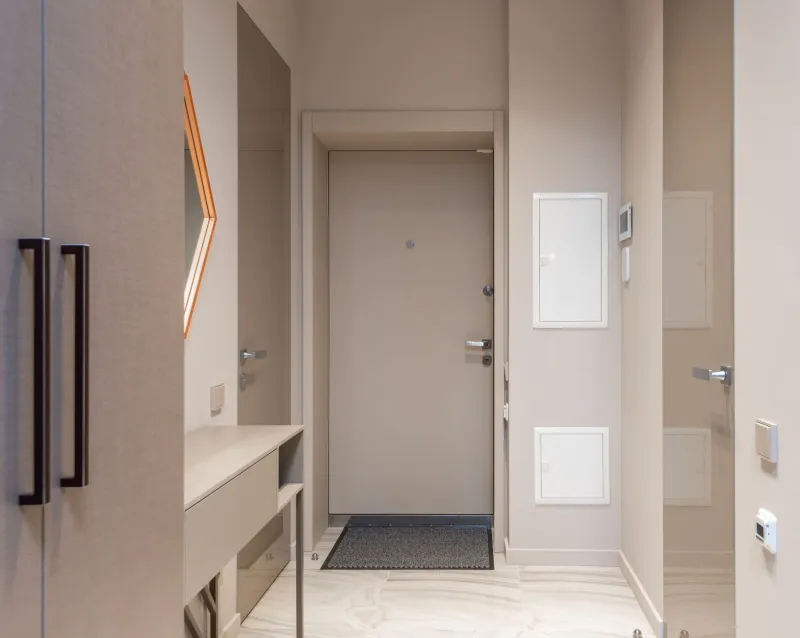
There is a particular chill that lives in a British hallway. It creeps under the front door, curls around the letterbox and makes bare ankles regret the dash to the kitchen. A sausage-dog draught excluder is one of those makes that looks like a bit of fun and quietly saves your heating bill. It uses a long scarf that has retired from neck duty, or a charity-shop duvet cover if your scarf drawer is thin on candidates.
The idea is simple: a long, soft tube that sits against the bottom of a door. The difference between a draught dog that works and one that just lies there looking cute is in the measuring, the filling and the opening. This version is beginner-friendly, machine-optional, and has a removable inner cushion so the outer can go in the wash. It also has a stuffing step that small makers can genuinely help with.
Start with the gap, not the dog
Before you cut anything, measure the door. Run a tape measure across the bottom of the doorway, from one side of the frame to the other. Add 15 to 20 cm so the dog can bunch slightly at each end and still cover the corners. Then measure the gap height. A draught excluder wants to be a little fatter than the gap, roughly the gap height plus 2 to 3 cm in diameter. If your gap is uneven, measure the deepest point and trust that number.
For very wide gaps, two shorter dogs are often easier to manoeuvre than one long one. For doors that drag on the floor, go slimmer and do not overstuff. A draught dog should squash into place, not fight the door. If you have a letterbox that whistles, this will not solve that particular drama, but it will deal with the cold strip at floor level.
The scarf audition
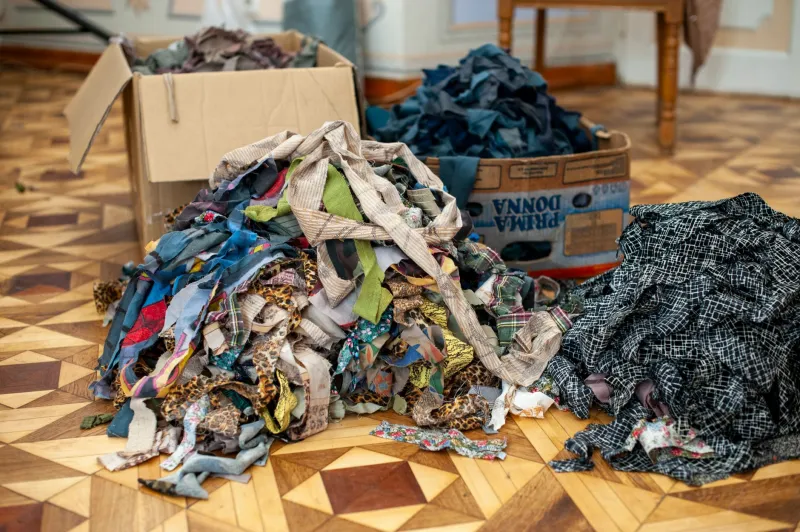
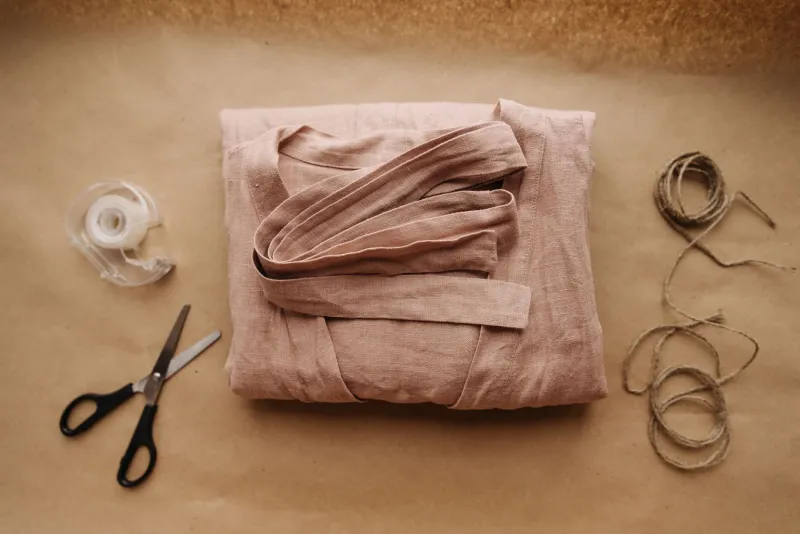
A long winter scarf is ideal because it is already a soft, friendly tube. Fold it in half lengthwise with right sides together. Sew along the long raw edges and one short end, using a 1.5 cm seam allowance and a simple straight stitch. Turn it right side out and you have a sausage shape. If the scarf is too short, join two scarves end to end, or use the duvet-cover understudy.
For a charity-shop duvet cover, cut a rectangle as long as your doorway measurement and as wide as the circumference of your intended sausage plus 2 cm seam allowance. Fold it right sides together along the long edge, sew that long seam to make a tube, then sew one short end closed. Turn right side out. Do not worry if the fabric is a little wonky. This is a draught excluder, not a wedding dress. The door will not judge.
An envelope back for easy filling and washing
At the open end, make a simple envelope opening. Fold one raw edge to the inside by about 6 cm and press it. Fold the opposite edge to the inside by the same amount, then overlap the two folded edges by 8 to 10 cm. Pin and topstitch each folded edge down. This creates a pocket-style opening you can push the stuffed inner cushion through. No zip, no buttons, no hook-and-loop tape to catch on tights or pyjama legs.
The overlap keeps the inner cushion tucked in during normal door duty. If you want extra security, add two short ribbon ties at the overlap. They are easy for adult fingers and not fiddly for children. This opening is the reason the cover can be washed separately, which matters in a hallway that sees muddy boots and damp school bags.
Make the inner cushion
Use an old pillowcase or a scrap of duvet cover to sew a long inner tube, slightly smaller than the outer cover. Sew one end closed, turn it right side out, then stuff it. This is the kid-friendly bit. Set out a bowl of toy-safe polyester stuffing, clean chopped foam from an old pillow, or clean fabric scraps. Show small helpers how to tease the filling into walnut-sized handfuls and push it in gently. Overstuffing makes the dog heavy and stiff; understuffing makes it floppy and useless. Aim for a firm cushion that still gives when you press it.
Safe filling matters. Avoid rice, lentils, dried beans or loose beads as the main filling. They make the dog heavy, can attract pests if the fabric gets damp, and are not safe if the cover ever opens around a small child or a curious pet. If you want a little weight, use a sealed inner bag of rice as a removable weight and never put that bag in the washing machine. For most hallways, plain toy stuffing or clean textile scraps are plenty.
When the inner is full, sew the open end closed with a ladder stitch. Keep pins in a magnetic dish and count them out loud with any children helping. A quick pin audit before stuffing saves a lot of worry later.
Face, ears and a tail
Now for the personality. Cut two floppy ears from felt scraps and stitch them to the sides of the head end. Add a small felt nose and embroidered eyes rather than buttons, especially if there are children or pets in the house. A little collar made from ribbon or a fabric strip adds charm and hides a slightly wobbly neck seam. Put the tail at the envelope end if you want to disguise the closure. A sausage dog without a tail is still a sausage dog, but the tail is half the fun.
Finish and fit
Slide the stuffed inner cushion into the outer cover through the envelope opening. Give the dog a test nap against the door. If it rolls away, add a few lightly stuffed felt legs underneath to act as little stabilisers. If it is too fat for the gap, remove a handful of filling. If the door still whistles, make a second shorter dog and overlap them at the corners.
For awkward door gaps, a ribbon loop at the tail end is handy. You can hang the dog on a door handle when it is not in use, or use the loop to pull it out of the way on cleaning day. If the gap is very high and draughty, go fatter rather than longer. If the gap is wide, go longer and add a gentle bend in the middle when you place it.
Living with a draught dog
Remove the inner cushion before washing the cover. Wash the outer on a gentle 30°C cycle and air dry it. Spot-clean the inner cushion, or wash it only if the filling is machine-washable and you have checked the care label. Give the dog a shake and a plump now and then, just like a cushion.
A draught dog will not fix every leaky hallway in Britain, but it will take the sting out of the floor-level chill. It uses a scarf that might otherwise sit in a drawer, gives a beginner a proper finished object, and hands small makers a stuffing job with real purpose. Hot dog, cold hallway: this one is ready for winter 2026.