Bunting, Biscuits and Borrowed Buttons: Hosting a Round-Robin Stitch Afternoon
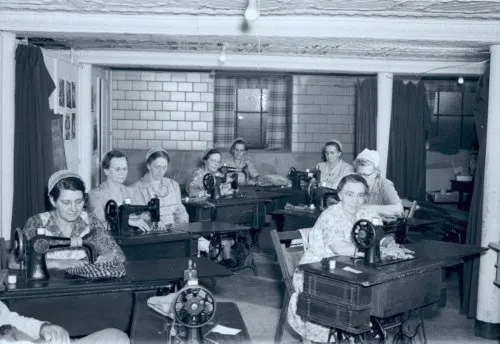
Photo: Mennonite Church USA Archives, No restrictions, via Wikimedia Commons
Start with a shared make, not a perfect one
Some of the best sewing happens when nobody is trying to win anything. A round-robin stitch afternoon — part sewing bee, part relay race, part excuse to eat too many custard creams — gives neighbours a shared project and a handful of easy jobs. Teams sit down for twenty minutes, add a few stitches, then pass the work along. By teatime you have bunting for the summer fair, a patchwork picnic blanket for the park, or a tote bag sturdy enough for the library. Wonky seams are part of the charm.
The idea is simple: one group project, several tables, and a gentle rotation. Nobody has to bring a sewing machine. Nobody has to be good at maths. And nobody has to finish a whole garment before the tea urn goes cold.
Pick a group make that can survive a relay
Choose a project with small, repeatable tasks. Bunting is the easiest crowd-pleaser: pre-cut fabric triangles, lengths of bias binding or cotton tape, and teams take turns stitching triangles into place. A patchwork picnic blanket works well if you pre-cut squares and ask each table to join a row. A charity-shop fabric tote is another good option: pre-sew the main panels, then let teams add pockets, handles or a simple lining.
Avoid zips, curves, stretchy jersey and anything with fiddly turning. The relay should feel like a shared craft session, not a technical exam. If a task can be explained in one sentence and finished in fifteen minutes, it belongs.
Set the rules before the biscuit tin opens
A few light rules keep the afternoon kind and calm. Put one confident sewer at each table as a finisher — someone who can rethread a needle, check a seam and reassure a nervous beginner. Give each team a fifteen- or twenty-minute slot, then ring a little bell or wave a tea towel when it is time to swap.
Ask everyone to backstitch at the start and end of machine seams. Keep pins in a磁? No — keep pins in a proper pin cushion and count them back in. If a stitch goes wonky, add a patch, a button or a cheerful embroidery motif rather than unpicking the whole thing. The relay is not a race. The point is to pass the needle, have a go and end up with something useful.
Keep the stitching beginner-safe
Stick to straight lines and familiar hand stitches. Running stitch, backstitch and whipstitch are ideal. For machine sewing, use a 1cm seam allowance, a fresh needle and contrast thread so beginners can see what they are doing. Pre-thread a few needles and fill spare bobbins before the session starts.
Cotton, linen and old bedding are much easier to handle than slippery synthetics. Press seams at a supervised ironing station, keep drinks away from fabric, and have a small basket of spare scissors, unpickers and thread. A tray of pre-cut squares or triangles saves a lot of queueing.
Give little makers real jobs
Children can be brilliant relay members when the jobs are clear. Put them in charge of sorting scraps by colour, arranging buttons, measuring bunting tape, handing out pins under supervision, or designing a paper label for the finished make. A six-year-old can sort fabric squares into piles. A nine-year-old can sew big buttons onto a tote pocket with a tapestry needle and felt.
Keep hot irons, rotary cutters and sharp machine needles for adults. Set up a small kids' table with felt, plastic needles and chunky thread so younger makers can stitch alongside the main project without feeling left out.
Source materials without spending much
Charity shops are goldmines for relay fabric: duvet covers, tablecloths, curtains, shirts and skirt lengths. Wash everything first, check for stains and holes, and cut around the good bits. Ask local sewing groups for scrap swaps, put a call out on Freecycle or Olio, and see whether a nearby upholsterer has sample books going spare.
Supermarket tea towels, old sheets and pillowcases are perfect for beginners because they are cheap, washable and already hemmed. Label donations as they arrive so you know what can be cut and what should be kept whole. A basket of borrowed buttons with a story attached is far more fun than a perfect match.
Run the afternoon on a loose timetable
Set up from 12.30pm, welcome everyone at 1pm, and start the first relay slot at 1.15pm. Swap every twenty minutes, take a proper tea break halfway through, and aim to finish the shared make by 3.30pm. Leave half an hour for show-and-tell, photos and clearing up.
Have one table for cutting, one for machine sewing, one for hand stitching and one for tea. Put a responsible adult on the ironing station. Keep the biscuit tin away from the fabric table. A simple sign with the running order saves a hundred questions.
Finish with a wonky show-and-tell
When the last team hands over the project, hold it up together. Point out the wobbly row, the borrowed button and the patch where someone changed their mind. Take a group photo. Decide where the make will live: the school library, the community centre, a local charity shop or the park picnic blanket pile.
Add a small label with the date and the first names of everyone who took part. The stitches may not be identical, but that is the point. A neighbourhood relay makes a useful thing and a room full of slightly more confident makers. Pass the needle, share the glory, and put the kettle on.